
Lower Back Injuries
Accelerate Physical Therapy
Physical Therapy for Lower Back Injuries
The Doctors of Physical Therapy at Accelerate Physical Therapy treat a variety of injuries sustained to the musculoskeletal system, and even more specifically injuries of the lower back. Injuries to this body region can be caused by a number of reasons, many of which include: motor vehicle accidents, blunt trauma, repetitive strain, overuse, postural, and lifting/carrying among many others.
From your initial evaluation, we will determine the extent and cause of your injury, the source of your pain, your prognosis (i.e. how long your recovery will take in our professional opinion), and a customized treatment plan based on your learning style and specific injury.
Each of your physical therapy visits will be one on one with your Doctor of Physical Therapy, and because continuity of care is our highest priority you will see that same physical therapist for the duration of your treatment (outside of unforeseen circumstances).
To learn more about our physical therapy services or to schedule an appointment, call or text (949)502-3388, or click on the “Schedule Appointment” button below.

Injuries We Treat
Types of Lower Back Injuries We Treat
We offer evaluation and treatment for a variety of lower back injuries. Listed below are some of the most common we see; however, if there is not an injury or condition you recognize on this list we highly recommend you speak directly to one of our Doctors of Physical Therapy to determine if it’s something we can treat and assist you with. If it is something that is out of our scope of practice, we will connect you with the resources you need to address the issue. Our number one priority is to ensure you find the right treatment and know all available options to address your injury.
Our number one priority is to ensure you find the right treatment and know all available options to address your injury. We are available via email at info@ptaccelerate.com and by text/phone at (949) 502-3388 for any specific questions as they pertain to your specific injury and condition.
Post-Surgical Injuries
These are common injuries you will research or hear about from an orthopedic specialist, pain management specialist, or your primary care physician. Ultimately, if it deals with bones, muscles, joints, tendons, and ligaments, a Doctor of Physical Therapy can be of service to you.
Benefits of Physical Therapy for Lower Back Injuries
In general, physical therapy treatment is intended to reduce the amount of time it takes for an injury to heal. Although the body is designed to heal on its own, many factors can affect how quickly it recovers. The biggest factors and most pertinent to physical therapy include habitual postures, movement patterns, and daily routines involving posture and movement. Physical therapy aims to restore your body’s natural movement patterns, with reinforcement through education and movement retraining. This can include visual and tactile (touch and feel) cues combined with reminders on your specific postural and movement habits. Specific to the lower back are ways to reduce strain, which includes reducing excessive motion through each of these regions. Whether it’s how you sit at work, carry and hold your little ones, lift a suitcase, or perform a bending motion, the strategy you use can make all of the difference. Physical therapy provides you with the knowledge to understand and learn the body through anatomy and biomechanics in order to alter your movement and apply these changes in daily life.

Physical Therapy Techniques
Physical therapy uses various techniques to improve your mobility, motor control, and muscle performance. Each of these things can be improved with education on the body, “hands on” soft tissue and joint mobilization, stretching, strengthening, scar tissue mobilization, exercise and movement re-education. It is directed at those individuals searching for pain resolution, improved movement, and a fast, non-invasive remedy for injuries. It can prevent surgeries, provide a second opinion after seeing a medical doctor, and determine whether there are functional ways to prevent pain. Last but not least, it can save you money. Research has shown physical therapy treatment is one of the most cost-effective ways to resolve pain and recover from an injury.
Services
Tools We Use to Treat Lower Back Injuries
We offer a range of orthopedic physical therapy treatment methods designed to deliver maximum results for lower back injuries, helping reduce pain, restore mobility, improve core strength, and support long-term spinal health.
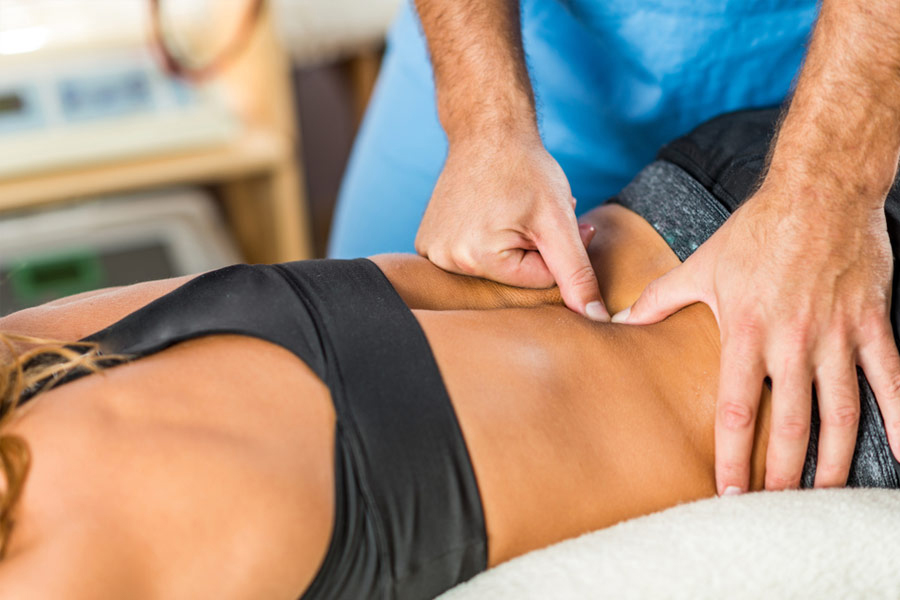
Manual therapy for lower back injuries is a highly structured, hands-on treatment approach that uses specific manual pressure, joint mobilization, and soft tissue mobilization to reduce muscle tension, joint stiffness, guarding, spasms, and scar tissue restrictions. These techniques target the muscles, joints, ligaments, tendons, and connective tissues of the lumbar spine and surrounding areas that are commonly affected by lower back injuries.
Advanced manual therapy techniques may include IASTM (Instrument Assisted Soft Tissue Mobilization), myofascial release, cupping, foam rolling, and scraping (i.e., gua sha). These treatments help improve lumbar spine mobility, reduce pain, restore healthy movement patterns, and relieve stress on injured tissues. By improving spinal mobility and soft tissue function, manual therapy can help patients return to work, exercise, and daily activities with greater comfort.
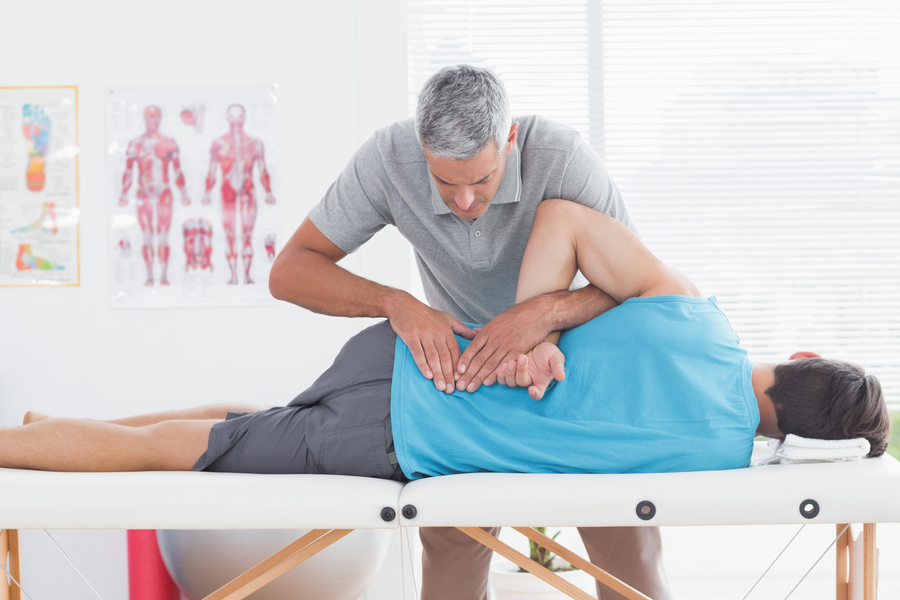
Therapeutic exercise for lower back injuries involves targeted movements designed to restore proper spinal mechanics, improve core stability, and correct movement dysfunction. These exercises help improve muscular strength, flexibility, endurance, and circulation to promote healing of injured tissues.
Common therapeutic exercises include core strengthening, lumbar stabilization, flexibility training, endurance exercises, balance activities, and functional movement training. The Doctors of Physical Therapy at Accelerate Physical Therapy develop individualized exercise programs based on your diagnosis, symptoms, activity level, and recovery goals. These customized programs help relieve lower back pain, improve spinal stability, and reduce the risk of future injuries.

Movement analysis for lower back injuries focuses on evaluating how your lumbar spine, pelvis, hips, and lower extremities work together during movement. Your physical therapist will assess movement quality and identify patterns that contribute to pain during activities such as sitting, standing, bending, lifting, walking, squatting, and transitioning between positions.
Through one-on-one movement analysis, your physical therapist can identify inefficient movement strategies that place excessive stress on your lower back. You’ll receive education on proper posture, lifting mechanics, body positioning, and movement techniques to reduce pain and protect your spine. Follow-up visits reinforce these improved movement patterns to support long-term recovery and prevent recurring lower back injuries.
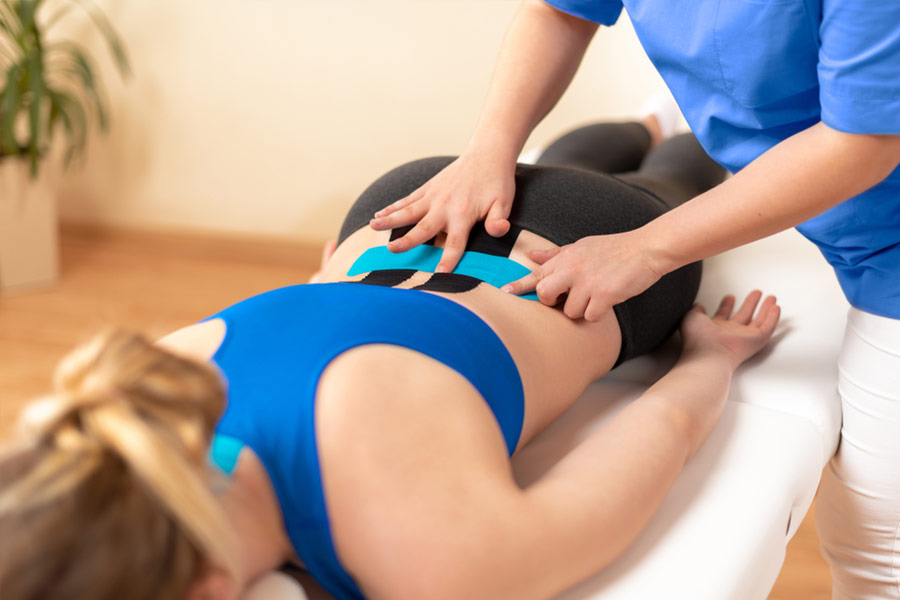
Neuro re-education for lower back injuries is a specialized physical therapy technique that restores efficient movement by improving communication between the brain and the muscles that support the lumbar spine and core. This treatment addresses motor control deficits, muscle imbalances, poor movement patterns, and spinal instability that often develop following lower back injuries.
Your physical therapist will use visual, auditory, and tactile cues to improve muscle activation, coordination, posture, balance, and movement efficiency. Neuro re-education helps retrain the deep stabilizing muscles of the spine and core to work together properly, improving spinal support, reducing pain, and promoting long-term recovery.
Lower Back Injury FAQ
Get answers to common questions about lower back injuries, including the causes of lower back pain, treatment options, recovery timelines, and how physical therapy can help improve spinal health, strength, and mobility.
You should seek physical therapy if your lower back pain lasts more than a few days, continues to return, limits your daily activities, or causes stiffness, weakness, or pain that radiates into your hips or legs. Early treatment often leads to faster recovery and better long-term outcomes.
Yes. Physical therapy helps improve core strength, spinal stability, flexibility, posture, and lifting mechanics. These improvements reduce stress on the lumbar spine and significantly decrease the risk of recurring lower back injuries.
Recovery depends on the severity of the injury, your overall health, and your activity level. Many patients begin experiencing improvement within several weeks, while more complex lower back injuries may require a longer rehabilitation program.
Treatment may include manual therapy, therapeutic exercise, neuro re-education, movement analysis, core stabilization, flexibility training, posture correction, and functional movement retraining. Every treatment plan is customized to address the source of your lower back pain.
Accelerate Physical Therapy treats a wide variety of lower back injuries, including muscle strains, lumbar sprains, herniated discs, sciatica, degenerative disc disease, spinal stenosis, facet joint dysfunction, and chronic lower back pain.
Yes. Many lower back injuries improve with conservative physical therapy. Treatment focuses on reducing pain, restoring mobility, strengthening the core, and correcting movement patterns that contribute to recurring back pain. Many patients are able to avoid surgery through a personalized rehabilitation program.

Service Options
We offer three service options for your convenience:
Accelerate Physical Therapy
Types of Injuries We Treat
The Doctors of Physical Therapy at Accelerate PT specialize in the evaluation and treatment of any and all orthopedic related injuries. Orthopedic injuries refer to anything affecting the musculoskeletal system (i.e. muscles, joints, ligaments, tendons, bones, as well as nerves as they interface through each of these structures). Sports specific injuries, work related injuries, and injuries caused by a motor vehicle accident fall under the orthopedic umbrella. Pre and post-operative care is intended to improve mobility, muscle performance, and motor control in individuals with surgical intervention to alleviate pain.
